
Details: Sengoku Indoor & Outdoor Kerosene Heater, 23,500 BTU, Portable Use, Black
Brand: KeroHeat

Previous page Sengoku Store Visit the Store Next page

Advantages
- Products can be returned
- Portable 23,500 BTU kerosene heater is ideal for creating cozy atmospheres indoors or outdoors while providing superior heat with a heating zone capacity of up to 1,000 square feet
- Fuel capacity of 1.9 gallons, ensuring you stay warm for up to 12 hours and is safe for use inside offices, garages, poorly insulated rooms, outdoor patios, and other hard-to-heat spaces
- Non electric heater has automatic safety shut-off and start push-button to make it easy to light without matches or electricity, with an EZ Flame adjuster, tip-over safety switch, and protective safety grills
- Includes a siphon pump for quick, safe, and convenient transfer of kerosene to heat without any mess and 2 D batteries for everyday supplemental heating needs in emergency situations
- Kerosene space heater measures 25.5 inches long, 18.13 inches wide, and 18.13 inches tall with a weight of 21.8 pounds for simple carrying and has a neutral black color design
Notice
- Is an online purchase
- Delivery may be delayed in some areas.


Buyer Guide For Patio Heaters
When shopping for a patio heater, consider factors such as heating capacity, fuel type, design, and safety features. Patio heaters typically come in three fuel types: propane, natural gas, and electric. Propane heaters are portable and easy to use, while natural gas heaters require a fixed gas line but offer continuous heating. Electric heaters are eco-friendly and ideal for smaller spaces.Look for a heater with sufficient BTU output to warm your desired area, and ensure it has safety features like tip-over protection and automatic shut-off. Additionally, choose a design that complements your outdoor decor, whether its a freestanding, tabletop, or wall-mounted model. Finally, check for weather resistance and durability to ensure it withstands outdoor conditions.
How to use Patio Heaters
Patio heaters are excellent solutions for extending your outdoor living space usage during cooler weather. Here’s a comprehensive guide on how to use them safely and effectively.Choosing the Right Location
- Place the heater on a flat, stable surface
- Keep at least 3 feet clearance from walls and flammable objects
- Avoid placing under covered areas with low clearance
- Ensure proper ventilation in the surrounding area
Starting and Operating
1. Connect the fuel source (propane tank or natural gas line) properly
2. Check for gas leaks before first use
3. Turn the control knob to “Pilot”
4. Press the ignition button to light the pilot
5. Once lit, adjust the temperature setting as needed
How to Maintain Patio Heaters
Regular maintenance of your patio heater ensures optimal performance and longevity. Start by cleaning the exterior with a damp cloth and mild soap, removing dust and debris. Check gas connections for leaks using soapy water and inspect the burner for clogs or damage.Keep the pilot light clean and replace if necessary. Store your heater in a dry place during off-seasons, using a protective cover. For propane heaters, ensure tanks are properly stored and maintained.
Regular inspection of heating elements, thermocouples, and safety features is crucial. Clean reflectors to maintain heat efficiency, and tighten any loose parts.
Following these maintenance steps will keep your patio heater working safely and efficiently throughout the seasons.
Related posts:
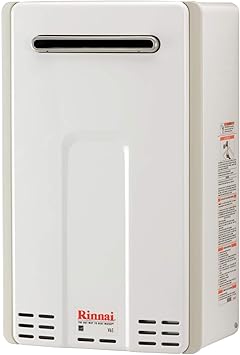
Review Rinnai V65eP Propane Tankless Hot Water Heater, 6.5 GPM

Review Electric Heated Throw Blanket 50”x70”- ETL&FCC Certified Flannel Bed Blanket with 10 Heating ...
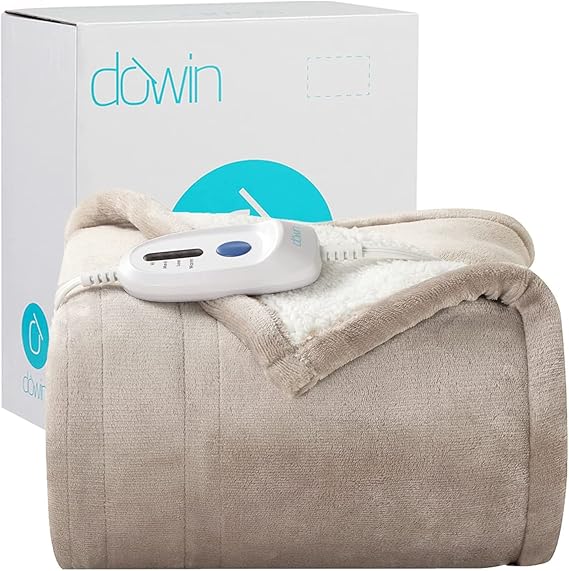
Review DoWin Heated Throw Blanket Super Cozy Soft Flannel & Sherpa 4 Heating Levels 3 Hours Auto Off...

Review duraflame Freestanding Electric Fireplace Stove Heater with 3D Flame Effect for 1,000 Sq. Ft....
