
Details: Mr. Heater F242915 MH45T Triple Tank Top Heater, 10000 to 45000 BTU/Hr,Chrome
Brand: Mr. Heater

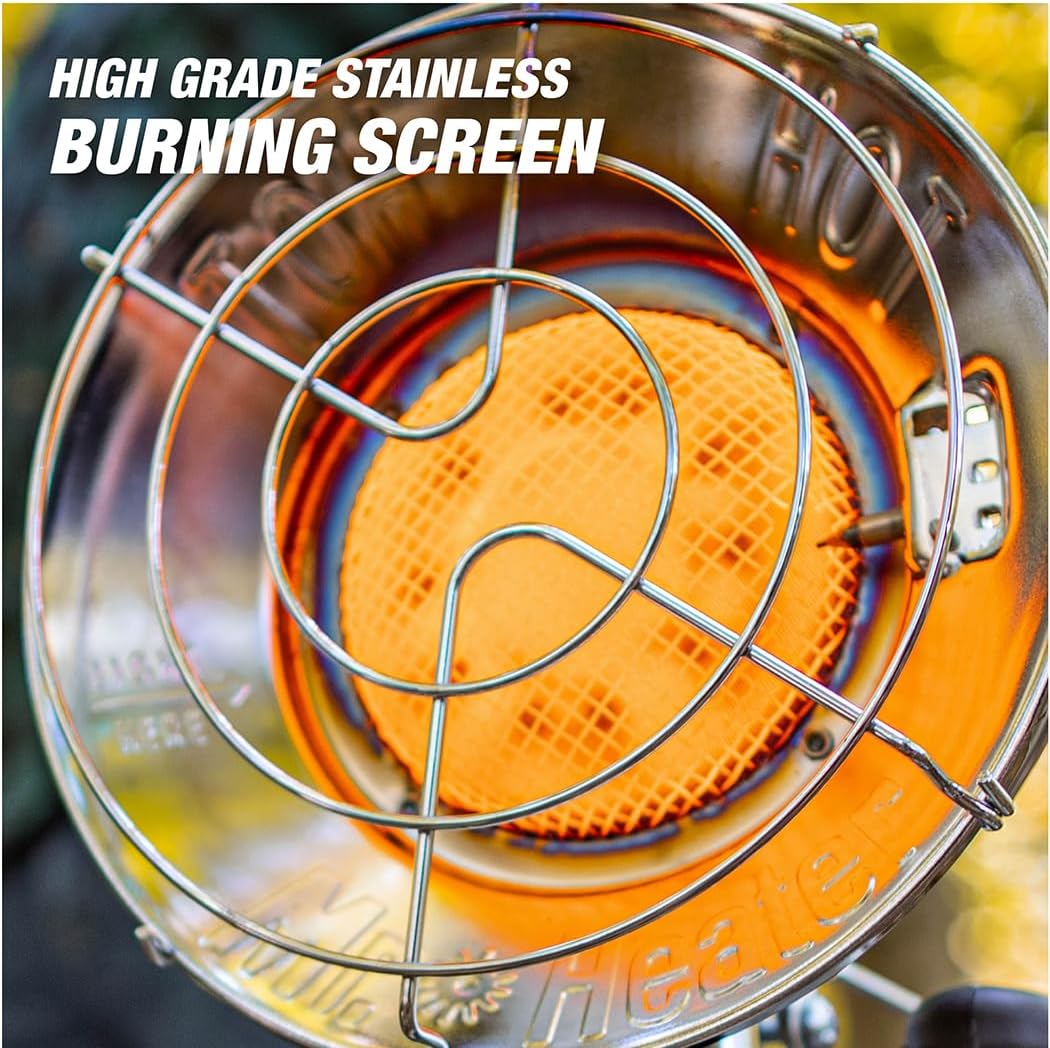
Mr. Heater Triple Tank Top Heater helps keep you warm when the temperature dips. Pump up the warmth! When the thermostat tumbles, and you’re in need of a little extra heat… reach for this Mr. Heater Triple Tank Top heater. Pumps out 10,000 to 45,000 BTUs per hour to keep you toasty warm, and mounts easily to any 20-lb. propane cylinder. Great for the campsite, garage, or construction site. High-quality chrome and stainless steel components; 10,000 to 45,000 BTU per hour; 3 modes: high, medium, low; Three tip-over safety shutoffs; Operate 1 to 3 burners for multiple heat output combinations; Soft nose P.O.L.; Match-lit ignition; Adjustable swivel head design; Mounts on a 20 to 100-lb. propane cylinder (not included); Polished chrome reflectors; Outdoor use only.

Advantages
- Products can be returned
- Hi-med-low regulator
- Three tip-over safety shut-off
- Mounts on 20-100lb. Propane cylinder
Notice
- Is an online purchase
- Delivery may be delayed in some areas.

Buyer Guide For Patio Heaters
Fuel Type. Consider whether you want propane, natural gas, or electric heaters. Each has its advantages – propane is portable, natural gas is cost-effective, and electric is environmentally friendly.Heating Power. Look at BTU (British Thermal Units) output for gas heaters or wattage for electric ones. Higher BTUs mean more heat coverage.
Coverage Area. Determine the size of the space you need to heat. Most patio heaters specify their heating radius or square footage coverage.
Safety Features. Look for units with automatic shut-off, tip-over protection, and protective grills. These are essential for safe operation.
Mobility. Consider if you need a portable unit with wheels or a permanent installation. Some models are designed to be mounted on walls or ceilings.
Weather Resistance. Ensure the heater is rated for outdoor use and has weather-resistant construction, especially if it will be exposed to elements.
Price and Warranty. Compare costs of both the unit and operating expenses, and check warranty terms for peace of mind.
This follows the same structured format as the previous guides, providing clear, bullet-pointed advice focusing on key factors to consider when making a purchase decision.
How to use Patio Heaters
Patio heaters are excellent for extending outdoor enjoyment during cooler weather. To use them safely and effectively:1. Place the heater on level ground, away from flammable materials
2. Ensure proper ventilation and maintain clearance above/around the unit
3. Check fuel connections for propane models or electrical connections for electric ones
4. Start the heater according to manufacturer instructions
5. Adjust heat settings as needed
6. Always supervise when in use
7. Turn off completely after use
Remember to:
- Store properly when not in use
- Perform regular maintenance
- Replace fuel tanks safely
- Keep children and pets at a safe distance
How to Maintain Patio Heaters
To keep your patio heaters in top shape, start with regular cleaning. Wipe down the heating element and reflectors with a damp cloth to remove dust and debris. Inspect the fuel source; for propane heaters, check the tank for leaks and ensure connections are secure. Perform seasonal checks on ignition systems and replace batteries if necessary. Store heaters indoors during the off-season to protect them from the elements. Always follow manufacturer guidelines for maintenance and safety, ensuring a warm outdoor space for years to come.
Related posts:
Review Megamaster Wooden Pizza Peel and Serving Board, Perfect Pizza Oven Accessory, Made from Eco-F...

Review QDF 4.6L / 6L Kerosene Oil Heater Kerosene Stove, Portable Efficient Kerosene Space Heaters, ...

Review Space Heater, Teioe Mini Electric Space Heater 800W/400W, Small PTC Ceramic Heater with Tip-O...
Review Serta Perfect Sleeper 60" X 70" Reversible Heated Throw
