
Details: MENSI Outdoor Propane LP Gas Glass Tube Patio Heater Parts Porch Deck Heater Steel Repalcement Infrared Ceramic Burner with Orifice Kit 42000 BTU
Brand: MENSI
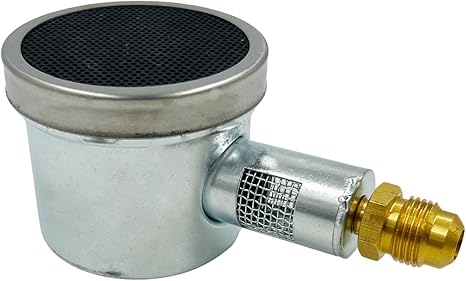
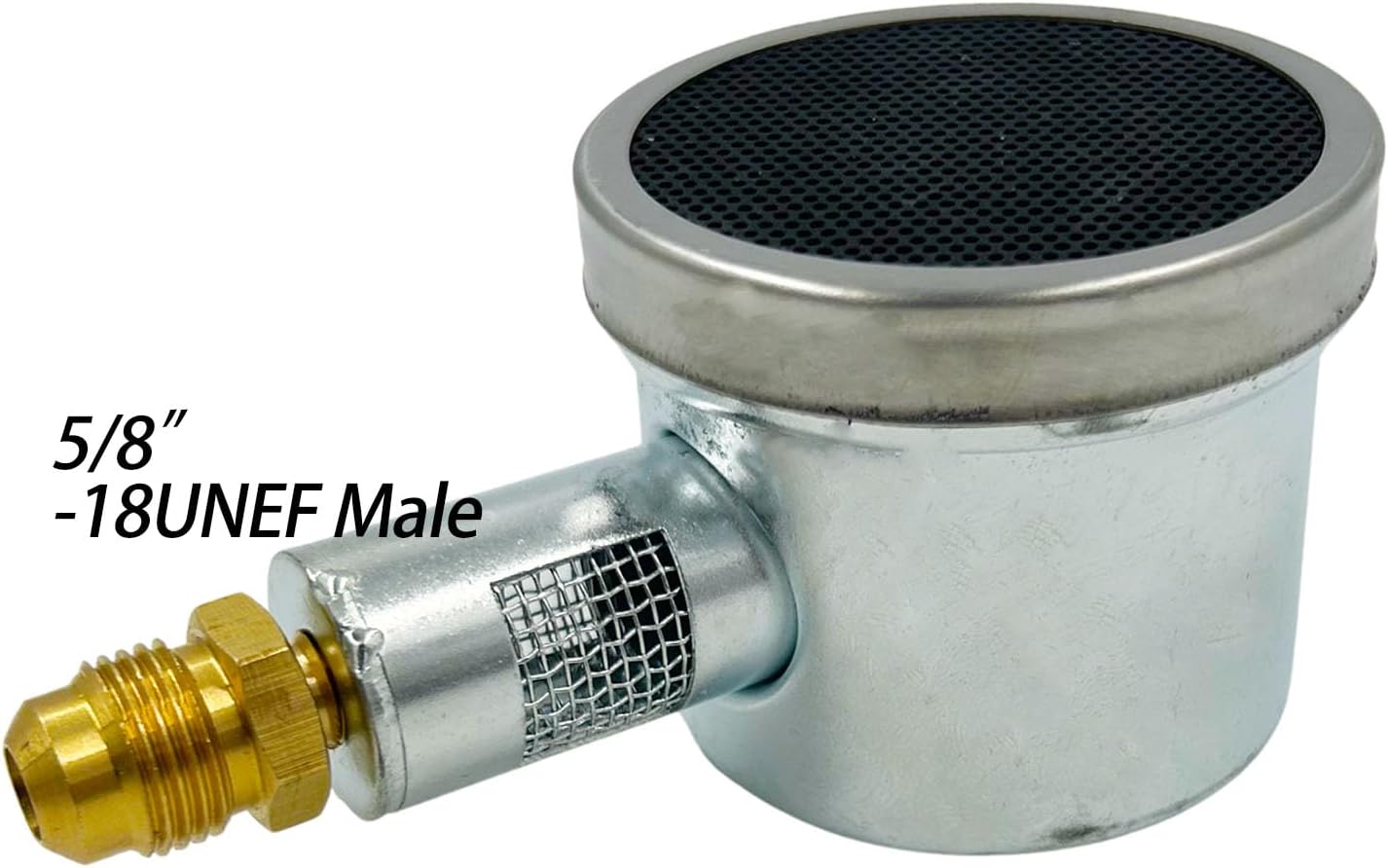
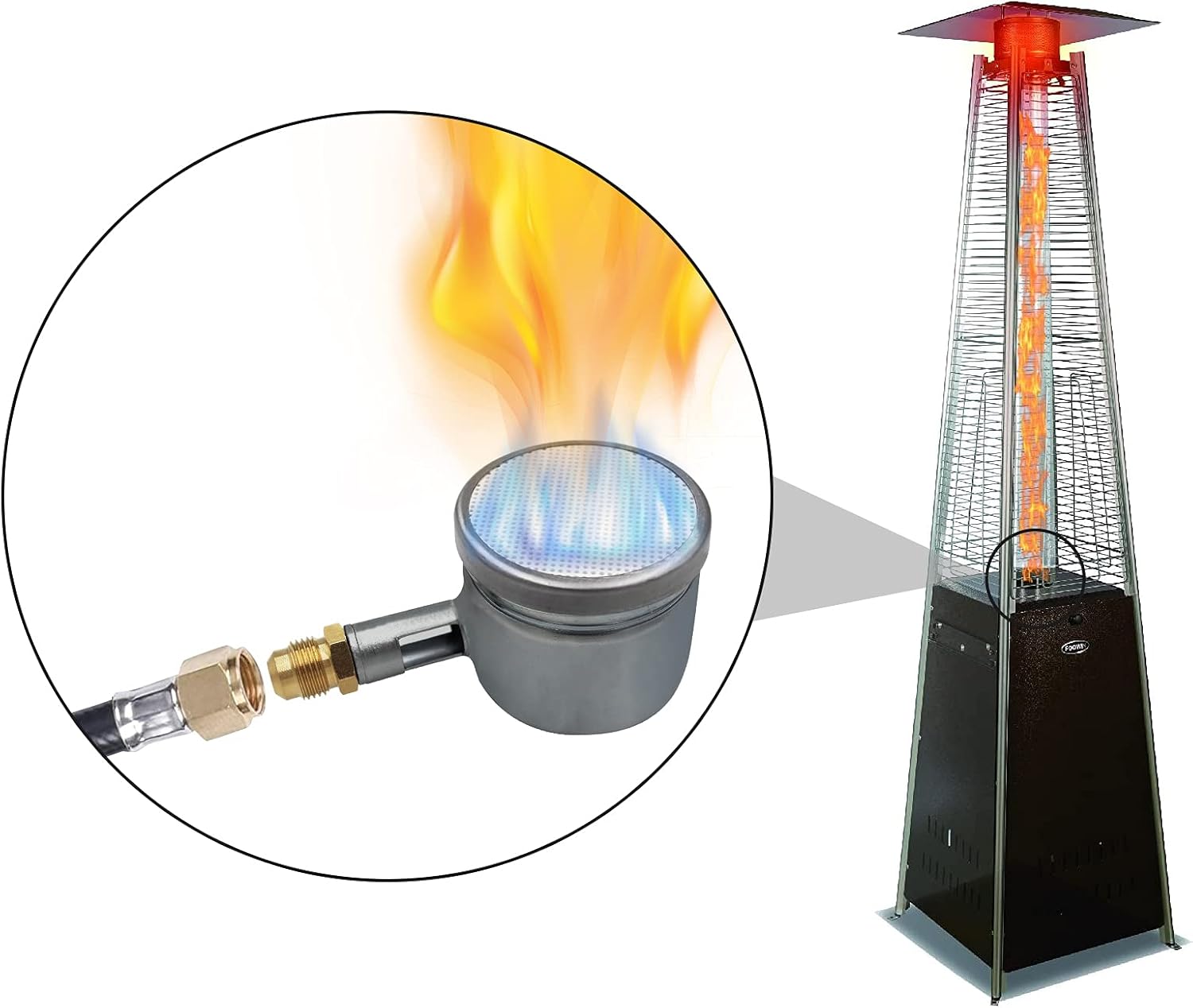
Portable outdoor patio burner heating parts replacement burner head for outdoor heater, diy stove range with 42000 BTU rating with blue flame torch burning including 3/8 male flare inlet fittings parts.

Advantages
- Products can be returned
- Patio Heater Replacement Parts Burner Fitting with Orifice 3/8″ Male Flare Fitting
- Used for Outdoor Patio Heater, DIY Heating Fire Burner, Stove
- Radiant Repair Parts Max 42000 BTU Rating
- Work with low pressure propane regulator and can design with a shut off control valve
- The Flare fitting is well installed and sealed.
Notice
- Is an online purchase
- Delivery may be delayed in some areas.
Buyer Guide For Patio Heaters
Looking to extend your outdoor living space into the cooler months? A patio heater can be the perfect solution. This guide will help you make an informed decision when purchasing one.Types of Patio Heaters:
1. Propane: Portable and powerful, ideal for larger spaces
2. Electric: Easy to use, no fuel needed, perfect for covered areas
3. Natural Gas: Permanent installation, cost-effective long-term
4. Infrared: Energy-efficient, provides instant heat
Key Factors to Consider:
Heating Area
Calculate your space requirements
Consider the heater’s BTU rating or heating radius
Account for wind exposure
Safety Features
Tip-over protection
Automatic shut-off
Heat-resistant guards
CSA or UL safety certification
Mobility and Storage
Weight and portability
Weather resistance
Storage requirements during off-season
Budget Considerations
Initial purchase cost
Fuel/operating costs
Installation expenses (if required)
Additional Features
Adjustable temperature controls
Weather-resistant finish
Decorative elements
Built-in lighting
Maintenance Tips:
Regular cleaning
Proper fuel storage
Weather protection
Annual safety checks
How to use Patio Heaters
Patio heaters are perfect for extending outdoor comfort during cooler months. Start by placing the heater on a flat, stable surface away from flammable materials. For gas heaters, connect the propane tank securely and check for leaks. Electric heaters simply need to be plugged into a grounded outlet.Turn on the heater following the manufacturers instructions, and adjust the heat settings as needed. Always ensure proper ventilation and never leave the heater unattended. Enjoy cozy evenings outdoors safely!
How to Maintain Patio Heaters
To keep your patio heater in top condition, clean it regularly to remove dirt and debris. Check for rust or damage, especially on the burner and reflector. Inspect gas lines for leaks and ensure proper ventilation. Cover the heater when not in use to protect it from weather. Follow the manufacturers maintenance guidelines for optimal performance and safety. Regular upkeep ensures longevity and efficient heating for your outdoor space.
Related posts:

Review WORLD MKTG OF AMERICA/IMPORT 20-6127 Wall Heater Blower, Pack of 1

Review Comfort Zone CZHTV9 Oscillating Electric Halogen Radiant Heater with Slimline Flat Panel Desi...

Review USB Electric Soft Cushion, Portable USB Constant Temperature Chair Cushion, Home Heated Warmi...
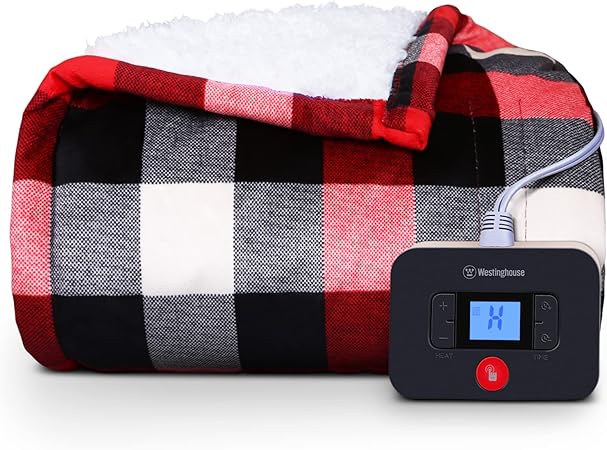
Review Westinghouse Electric Blanket Heated Blanket, Plaid Sherpa Heating Blanket, 10 Heating Levels...
