
Details: MENSI Outdoor Propane LP Gas Glass Tube Patio Heater Parts Porch Deck Heater Steel Repalcement Infrared Ceramic Burner with Orifice Kit 42000 BTU
Brand: MENSI
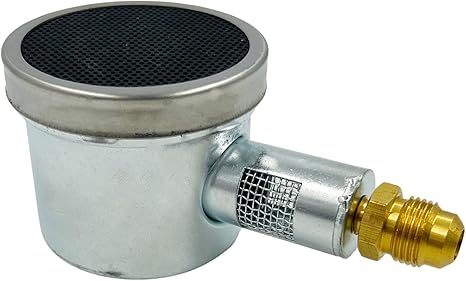
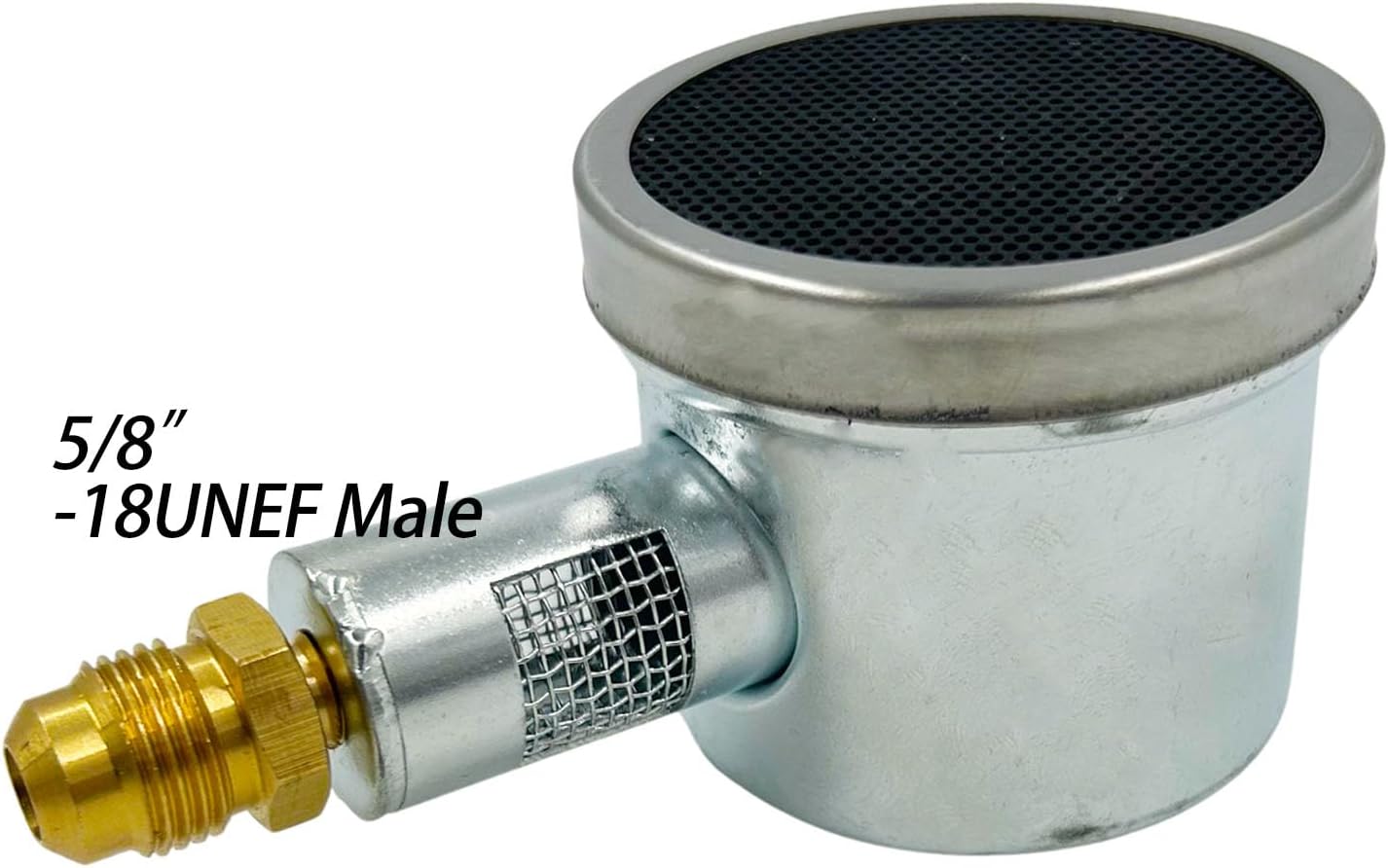
Portable outdoor patio burner heating parts replacement burner head for outdoor heater, diy stove range with 42000 BTU rating with blue flame torch burning including 3/8 male flare inlet fittings parts.

Advantages
- Products can be returned
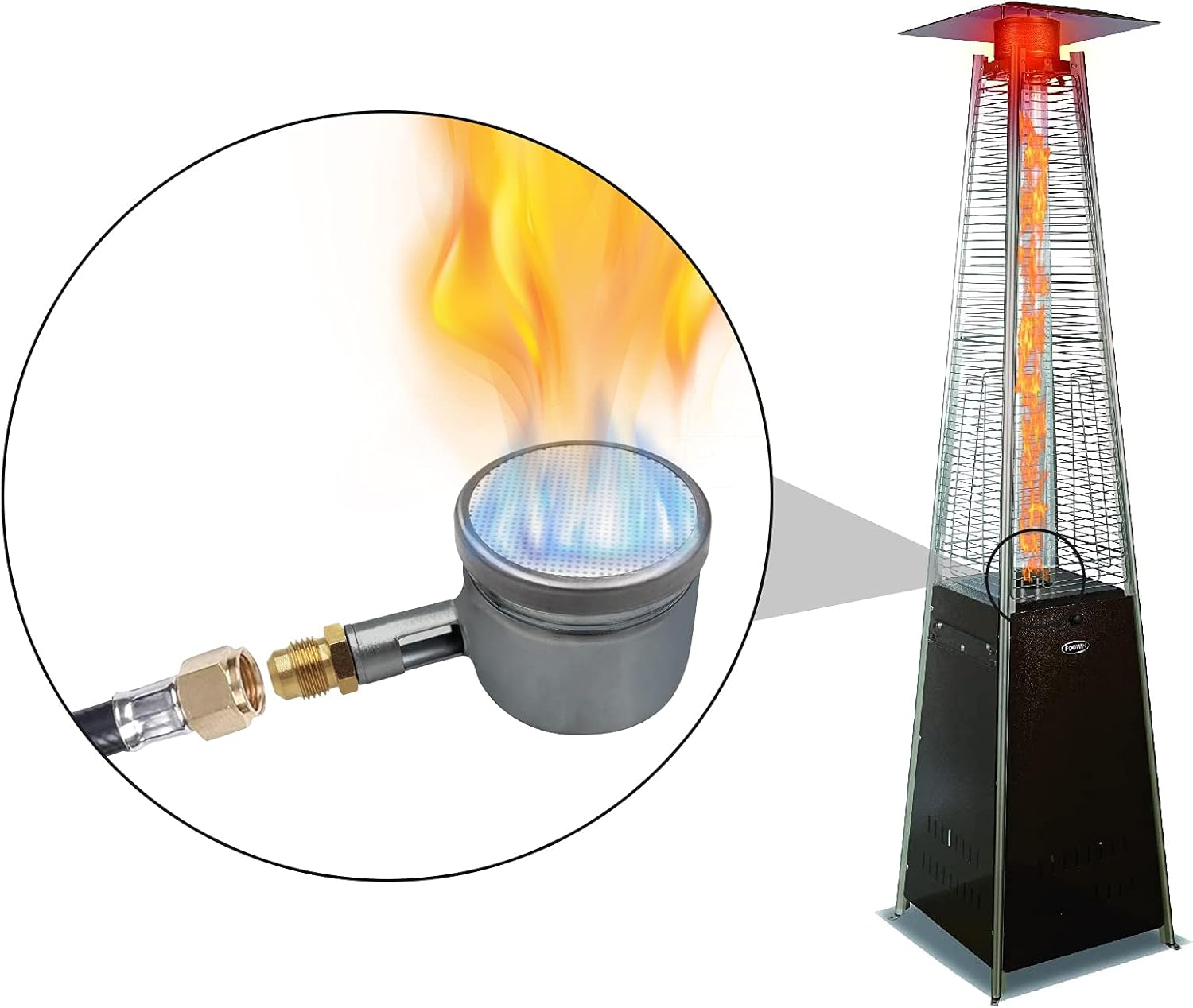
- Patio Heater Replacement Parts Burner Fitting with Orifice 3/8″ Male Flare Fitting
- Used for Outdoor Patio Heater, DIY Heating Fire Burner, Stove
- Radiant Repair Parts Max 42000 BTU Rating
- Work with low pressure propane regulator and can design with a shut off control valve
- The Flare fitting is well installed and sealed.
Notice
- Is an online purchase
- Delivery may be delayed in some areas.
Buyer Guide For Patio Heaters
Fuel Type. Consider whether you want propane, natural gas, or electric heaters. Each has its advantages – propane is portable, natural gas is cost-effective, and electric is environmentally friendly.Heating Power. Look at BTU (British Thermal Units) output for gas heaters or wattage for electric ones. Higher BTUs mean more heat coverage.
Coverage Area. Determine the size of the space you need to heat. Most patio heaters specify their heating radius or square footage coverage.
Safety Features. Look for units with automatic shut-off, tip-over protection, and protective grills. These are essential for safe operation.
Mobility. Consider if you need a portable unit with wheels or a permanent installation. Some models are designed to be mounted on walls or ceilings.
Weather Resistance. Ensure the heater is rated for outdoor use and has weather-resistant construction, especially if it will be exposed to elements.
Price and Warranty. Compare costs of both the unit and operating expenses, and check warranty terms for peace of mind.
This follows the same structured format as the previous guides, providing clear, bullet-pointed advice focusing on key factors to consider when making a purchase decision.
How to use Patio Heaters
Patio heaters are excellent solutions for extending outdoor enjoyment during cooler weather. Here’s a comprehensive guide on how to use them safely and effectively.Proper Placement
- Position the heater on a flat, stable surface
- Keep at least 3 feet clearance from walls, furniture, and flammable materials
- Avoid placing under covered areas with low clearance
- Ensure the heater is protected from strong winds
Starting and Operating
1. Check fuel levels (propane tank or electrical connection)
2. Follow manufacturer’s lighting instructions
3. Allow 5-10 minutes for the heater to reach full temperature
4. Adjust heat settings as needed for comfort
Safety Tips
- Never leave the heater unattended while in use
- Keep children and pets away from the unit
- Turn off and disconnect when not in use
- Store properly during adverse weather conditions
- Regularly check for damage or wear
Maintenance
- Clean the heater regularly
- Check fuel connections for leaks
- Replace parts as needed
- Store in a dry place during off-season
How to Maintain Patio Heaters
Regular maintenance of your patio heater ensures optimal performance and longevity. Start by cleaning the exterior with a damp cloth and mild soap. Check gas connections for leaks using soapy water, looking for bubbles that indicate problems. Clean the burner regularly to remove debris and ensure proper airflow.Store your heater in a dry place during off-seasons, and cover it when not in use. Inspect the ignition system and replace batteries as needed. For propane heaters, check tank connections and replace worn gaskets.
Always follow manufacturer guidelines and conduct safety checks before each use. Professional servicing is recommended annually for optimal performance and safety.
Remember to keep spare parts handy and address any issues promptly to avoid larger problems later.
Related posts:

Review DAPERCI Queen-Size Electric Blanket Heated Blanket Non-Woven Electric Throw 4 Heat Settings &...

Review Relieve Fatigue Boho Style Small Heated Blanket Washable Shawl Electric Throws Safe Low Volta...

Review Space Heater for Indoor Use - Air Choice 3s Fast-heating 1500W/1000W Portable Quiet 60° Oscil...

Review Space Heater, 1500W Electric Heaters Indoor Portable with Thermostat , PTC Fast Heating Ceram...
