
Details: Hiland HLDS01-WCBT 48,000 BTU Propane Patio Heater w/Wheels and Table, Large, Hammered Silver
Brand: Hiland

At 87″ tall with a Hammered Silver finish this gorgeous patio heater makes a perfect compliment to any patio setting! It’s 48, 000 BTU’s output will keep everyone warm & cozy on those chilly evenings. Your propane tank, which is not included, is easily accessible from an easy access door, which is a breeze to switch when your tank is empty. With a variable temperature control & an anti-tip device, which will turn your heater off if tips over while ignited, this heater is a real value. Wheels are also included for easy mobility as well burner cover & regulator! CSA approved. Parts and service are always available so you can enjoy your Hiland patio fire it for years of pleasure.

Advantages
- Products can be returned
- seasons: All year long
Notice
- Is an online purchase
- Delivery may be delayed in some areas.
Buyer Guide For Patio Heaters
When shopping for a patio heater, consider factors such as heating capacity, fuel type, design, and safety features. Determine whether a propane, natural gas, or electric heater best suits your outdoor space, as each has its own advantages. Propane heaters are portable and powerful, while electric models are eco-friendly and easy to use.Look for a heater with adjustable heat settings and a sturdy, weather-resistant build. Safety features like tip-over protection and automatic shut-off are essential for peace of mind. Finally, consider the size of your patio and the heater’s coverage area to ensure it provides sufficient warmth for your gatherings.
How to use Patio Heaters
Patio heaters are excellent for extending outdoor enjoyment during cooler weather. To use them safely and effectively:1. Place the heater on level ground, away from flammable materials
2. Ensure proper ventilation and maintain clearance above/around the unit
3. Check fuel connections for propane models or electrical connections for electric ones
4. Start the heater according to manufacturer instructions
5. Adjust heat settings as needed
6. Always supervise when in use
7. Turn off completely after use
Remember to:
- Store properly when not in use
- Perform regular maintenance
- Replace fuel tanks safely
- Keep children and pets at a safe distance
How to Maintain Patio Heaters
Regular maintenance ensures your patio heater works efficiently and lasts longer. Start by cleaning the exterior with a damp cloth to remove dirt and debris. Check for rust or damage, especially on metal parts, and address it promptly. Inspect the fuel lines or connections for leaks if using propane or natural gas. For electric heaters, ensure cords are intact and free of wear. Store heaters indoors during harsh weather or use protective covers. Always follow the manufacturers instructions for safe operation and maintenance. A well-maintained patio heater keeps your outdoor space cozy and safe!
Related posts:

Review VAGKRI 24” Space Heater for Indoor Use, Fast Ceramic Heater with Remote and Thermostat, 3 Mod...
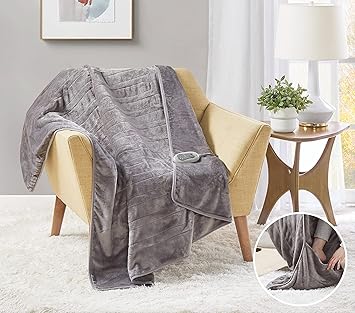
Review MP2 Heated Throw Blanket with Foot Pocket | Plush Heated Blanket with Foot Pocket W/ 2 Hour A...

Review Bromic Heating Eclipse Smart-Heat Electric Patio Heater With Light, Outdoor Patio, 2900W, 220...

Review Bedsure Electric Blanket Queen Size - Heated Blanket Queen Soft Ribbed Fleece 84x90 Fast Heat...
