
Details: Energ+ 220V Infrared Electric Outdoor Heater Wall Mounted Patio Heater Remote Control Efficient Gold Tube Element Hanging Cables Deck Rail Mount Mortar Mounts Included Waterproof & Dust Resistant
Brand: Ener-G%2B


Advantages
- Products can be returned
- 3000 OR 1500 WATT/220 VOLT INFRARED GOLD TUBE HEATING ELEMENT – 220 Volt operation allow for high heat performance. Very useful when the radiator is a little further from the the users. Gold-coated quartz heating lamps are coated with a layer of gold on the quartz tube to reduce glare, increase infrared heat output, enhance the penetration of heat radiation which increases the heat making it more intense and stronger.
- ALUMINUM AND STAINLESS STEEL CONSTRUCTION – The aluminum and stainless steel construction of the Energ+ infrared heater is designed to withstand rain, humidity, heat and snow.
- REMOTE CONTROL – The handy remote control lets you manage the 2 heater bulbs at a distance. Pre-heat the zone before you go outside, or control the elements from a distant seating area without the need to leave your comfortable spot. This remote offers full control of the heater including turning it on and off.
- WALL, CEILING AND DECK RAIL MOUNTS INCLUDED – The provided articulated wall mount brackets allow the heat to be where you want it.
- WATER AND DUST RESISTANT – The IP55 rating allows you to leave this unit outside all season long and not worry about dust and water filtering in. If you accidentally spray it while watering flowers or cleaning there will be no harm done to the heater.
Notice
- Is an online purchase
- Delivery may be delayed in some areas.

Buyer Guide For Patio Heaters
Fuel Type. Consider whether you want propane, natural gas, or electric heaters. Each has its advantages – propane is portable, natural gas is cost-effective, and electric is environmentally friendly.Heating Power. Look at BTU (British Thermal Units) output for gas heaters or wattage for electric ones. Higher BTUs mean more heat coverage.
Coverage Area. Determine the size of the space you need to heat. Most patio heaters specify their heating radius or square footage coverage.
Safety Features. Look for units with automatic shut-off, tip-over protection, and protective grills. These are essential for safe operation.
Mobility. Consider if you need a portable unit with wheels or a permanent installation. Some models are designed to be mounted on walls or ceilings.
Weather Resistance. Ensure the heater is rated for outdoor use and has weather-resistant construction, especially if it will be exposed to elements.
Price and Warranty. Compare costs of both the unit and operating expenses, and check warranty terms for peace of mind.
This follows the same structured format as the previous guides, providing clear, bullet-pointed advice focusing on key factors to consider when making a purchase decision.
How to use Patio Heaters
Patio heaters are a fantastic way to extend the usability of your outdoor space, allowing you to enjoy your patio or deck even on cooler evenings. Whether youre hosting a gathering or simply relaxing outside, a patio heater can keep you warm and comfortable. Heres a quick guide on how to use them effectively and safely.1. Choose the Right Type of Patio Heater
- Propane Heaters: These are portable and easy to use. They require a propane tank, which youll need to connect securely.
- Electric Heaters: These are ideal for smaller spaces and require an electrical outlet. Theyre often more energy-efficient and emit no fumes.
- Natural Gas Heaters: These are permanently installed and connected to your homes gas line. Theyre great for long-term use but require professional installation.
2. Set Up in a Safe Location
- Place the heater on a flat, stable surface to prevent tipping.
- Ensure the heater is at least 3-5 feet away from any flammable materials, such as furniture, curtains, or plants.
- If using a propane heater, make sure the propane tank is securely connected and stored upright.
3. Follow the Manufacturers Instructions
- Always read the user manual before operating your patio heater. Each model may have specific instructions for setup, ignition, and operation.
- For propane heaters, check for gas leaks by applying a soapy water solution to the connections. If bubbles form, theres a leak, and you should tighten the connection or replace the part.
4. Light the Heater Safely
- For propane heaters, open the gas valve slowly and use the ignition button or a long lighter to light the burner.
- Electric heaters simply need to be plugged in and turned on, while natural gas heaters may have a pilot light or electronic ignition.
5. Adjust the Heat
- Most patio heaters come with adjustable settings to control the heat output. Start on a lower setting and increase as needed to maintain a comfortable temperature.
- Position the heater so that the heat is directed toward the area where people are seated.
6. Monitor the Heater
- Never leave a patio heater unattended while its in use.
- Keep children and pets away from the heater to avoid burns or accidents.
- If you notice any unusual smells, sounds, or performance issues, turn off the heater immediately and inspect it.
7. Turn Off and Store Properly
- When youre done using the heater, turn it off and allow it to cool completely before moving or storing it.
- For propane heaters, disconnect the tank and store it in a cool, dry place away from direct sunlight.
8. Maintain Your Heater
- Regularly clean the heaters exterior and check for any signs of wear or damage.
- Replace any worn-out parts, such as hoses or igniters, to ensure safe operation.
How to Maintain Patio Heaters
Regular maintenance ensures your patio heater works efficiently and lasts longer. Start by cleaning the exterior with a damp cloth to remove dirt and debris. Check for rust or damage, especially on metal parts, and address it promptly. Inspect the fuel lines or connections for leaks if using propane or natural gas. For electric heaters, ensure cords are intact and free of wear. Store heaters indoors during harsh weather or use protective covers. Always follow the manufacturers instructions for safe operation and maintenance. A well-maintained patio heater keeps your outdoor space cozy and safe!
Related posts:

Review COSTWAY Oil Filled Radiator Heater, 1500W Portable Space Heater with Adjustable Thermostat, 3...

Review Sunbeam Nordic Premium Electric Heated Throw Blanket with 4 Heat Settings Controller, 4-Hour ...
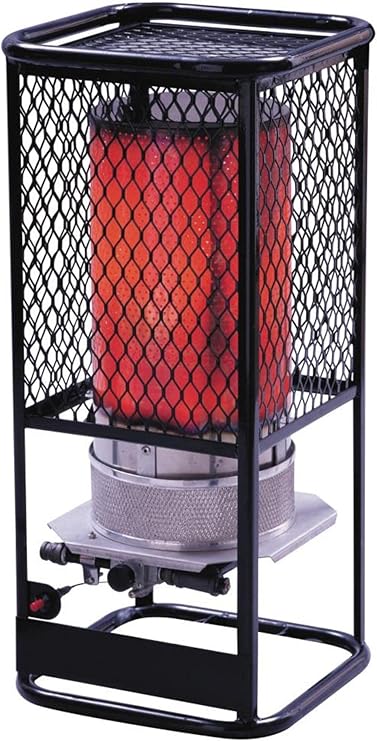
Review Heatstar By Enerco F170850 Radiant Natural Gas Heater HS125NG Salamander, 125K

Review Infrared Outdoor Electric Space Heater - 900Watt Portable Fast Heating Indoor/Outdoor Heater ...

FBIA TEAM
Admin Tle Chubby man who loves technology and the changes in the world around him. (Around Me)