
Details: Dura Heat, LPC200, 200K BTU Outdoor Portable LP Convection Heater , Gray
Brand: Dura Heat

This propane (LP) convection heater can by Dura Heat offers inexpensive solutions for heat on the job. It provides a 360 degree radius heat output with a variable 75,000 – 200,000 BTU output and heats up to 4,700 sq. ft. This heater requires no electricity and burns clean with LP gas. The collapsible 2-piece design is the largest of the LP convection “trash can” heaters and can heat large workspaces. It operates up to 28 hours on a single 100 lb LP cylinder. 10 ft. Hose and regulator included.

Advantages
- Products can be returned
- Operates 28 hours on a single 100 lb LP cyclinder
- Collapsible 2-piece design
- Built-in wind shield protects burner flame
- Safety auto shut-off
- Heats up to 4,700 sq. ft.
Notice
- Is an online purchase
- Delivery may be delayed in some areas.
Buyer Guide Natural Gas Space Heaters
Before you go shopping for a natural gas space heater, be sure to check out this buying guide.- Size. When choosing a heater, youll have to decide on how much space you want to heat.
- Efficiency. Efficiency is a measure of how much energy the unit uses to heat your home.
- Safety. Safety issues include, but are not limited to, fire hazard.
- Noise. Many units produce noise, so if youre sensitive to noise, be sure to choose a unit with low or minimal noise.
- Other features. Other features to consider include, but are not limited to, remote control, adjustable thermostat, and timer.
How to choose Natural Gas Space Heaters
To choose natural gas space heaters, homebuyers will need to consider a few different things. First, they need to know the heating capacity that they need. Second, they will need to consider how much space the heater will cover. Finally, they need to think about how much energy the heater will use, and where the heater will be located.
Heating Capacity: To find the heating capacity they need, homebuyers will have to figure out how much space the heater will cover. The rule of thumb for this is to choose the heater that will cover 12-15% of their home’s total area.
The amount of space that the space heater will cover is mostly determined by the size of the home. For example, if a home has 1,000 square feet, a 10,000 BTU unit would cover 100-150 square feet.
How to use Natural Gas Space Heaters
Natural gas space heaters use a similar concept as other space heaters, but they have the added advantage of using natural gas instead of electricity. There are several different types of natural gas space heaters available, but all of them operate using the same general method.To understand how natural gas space heaters work, you must first understand how natural gas is delivered to homes. Natural gas is delivered to your home through a pipe that reaches from a main gas line. Most homes have a single main gas line that reaches from the gas companys underground supply to your home.
When the gas company delivers natural gas to your home, it pushes the gas through a regulator valve. This valve releases a certain amount of gas into the home each time the main valve is open. This amount of gas depends on the size of the pipe that reaches from the gas line to your home.
When the main gas valve is open, it releases a certain amount of gas into the home. This amount of gas determines how much gas will be pushed through the regulator valve each time it is opened.
Because the amount of gas released into the home varies by the size of the pipe, the amount of gas pushed into the main valve will vary as well. Over time, this will affect the amount of gas pushed through the regulator valve and the temperature of the home.
Related posts:

Review PMUYBHF Christmas Blanket for Couch, Electric Heating Neck and Shoulder Heating Pad Electric ...
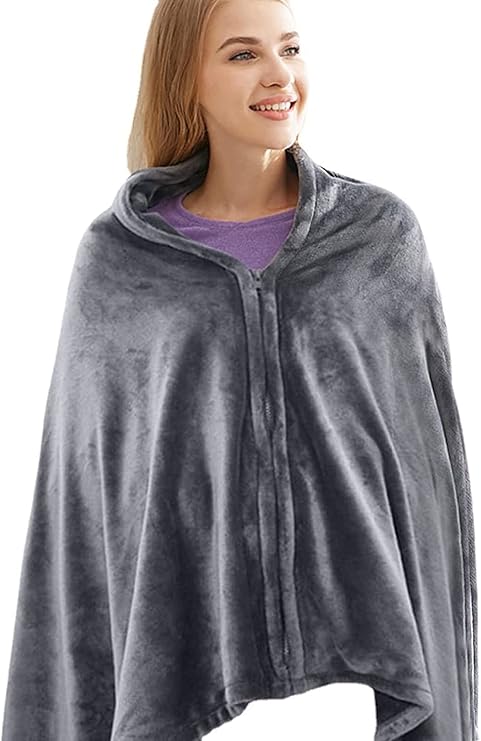
Review IUIBMI Heated Throw Blanket Plush USB Electric Throw Blanket with Zipper, Adjustable 3 Levels...

Review Pro Breeze Space Heater – 1500W Electric Heater with 3 Operating Modes and Adjustable Thermos...

Review Fire Sense 62224 Square Flame Patio Heater 46,000 BTU Outdoor Propane Heater with Wheels For ...
