
Page Contents
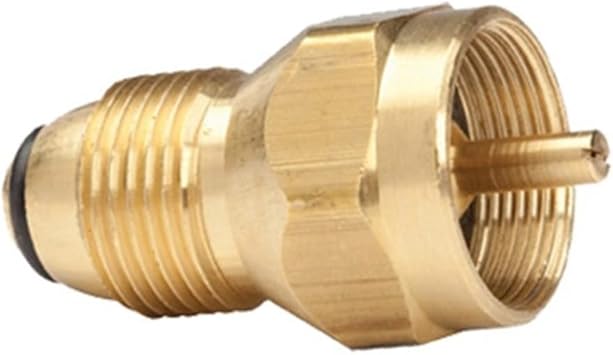
Details: Mr. Heater Propane One Pound Tank Refill Adapter
Brand: Mr. Heater

Advantages
- Products can be returned
- Canada restricted
- All brass construction
- Refill one pound bottles
- soft nose POL
- 1-year limited warranty
Notice
- Is an online purchase
- Delivery may be delayed in some areas.
Buyer Guide For Patio Heaters
A patio heater can extend your outdoor living space’s usability throughout cooler seasons. When shopping for a patio heater, consider several key factors: fuel type (propane, natural gas, or electric), heating capacity (measured in BTUs), coverage area, and mobility. Propane heaters offer portability but require tank replacements, while natural gas units provide consistent fuel supply but need professional installation. Electric heaters are easy to use and environmentally friendly but may have higher operating costs.Look for safety features like automatic shut-off and tip-over protection, and ensure the unit is weather-resistant. Consider the size of your outdoor space to determine the appropriate heating power typically, 40,000 BTUs can heat a 20-foot diameter area. Also, check for warranty coverage and verify that the model complies with local regulations before making your purchase.
How to use Patio Heaters
Patio heaters are excellent devices for extending your outdoor entertaining season by providing warmth during cooler weather. Here’s a comprehensive guide on how to use them safely and effectively.Choosing the Right Location
- Place the heater on a flat, stable surface
- Keep at least 3 feet clearance from walls and flammable objects
- Avoid placing under covered areas with low clearance
- Ensure proper ventilation in partially enclosed spaces
Starting and Operating
1. Check fuel levels (propane tank or electrical connection)
2. Follow manufacturer’s lighting instructions
3. Allow 5-10 minutes for the heater to reach full temperature
4. Adjust heat settings as needed for comfort
Safety Tips
- Never leave heaters unattended while in use
- Keep children and pets away from the unit
- Turn off and disconnect when not in use
- Store properly during adverse weather conditions
- Regularly check for damage or wear
Maintenance
- Clean regularly to prevent dust buildup
- Check fuel connections for leaks
- Replace parts as needed
- Store in a dry place during off-season
How to Maintain Patio Heaters
Regular maintenance of your patio heater ensures optimal performance and longevity. Start by cleaning the exterior with a damp cloth and mild soap. Check gas connections for leaks using soapy water, looking for bubbles that indicate problems. Clean the burner regularly to remove debris and ensure proper airflow.Store your heater in a dry place during off-seasons, and cover it when not in use. Inspect the ignition system and replace batteries as needed. For propane heaters, check tank connections and replace worn gaskets.
Always follow manufacturer guidelines and conduct safety checks before each use. Professional servicing is recommended annually for optimal performance and safety.
Remember to keep spare parts handy and address any issues promptly to avoid larger problems later.
Related posts:
Review USB Heated Blanket Electric Blanket Throw Heating Blanket Washable Sherpa Electric Throw Blan...
Review LXXSH Large Double Electric Heating TV Blanket Double-Layer Flannel Soft Washable with Heated...
Review FLIB Easy Care Twin Size Heated Blanket Dual Controller Electric Blanket King Size Machine Wa...
Review Golden Flame Outdoor Propane Patio Heater | 46,000 BTU | XL-Series | Anti-Tilt and Safety Shu...
