
Page Contents
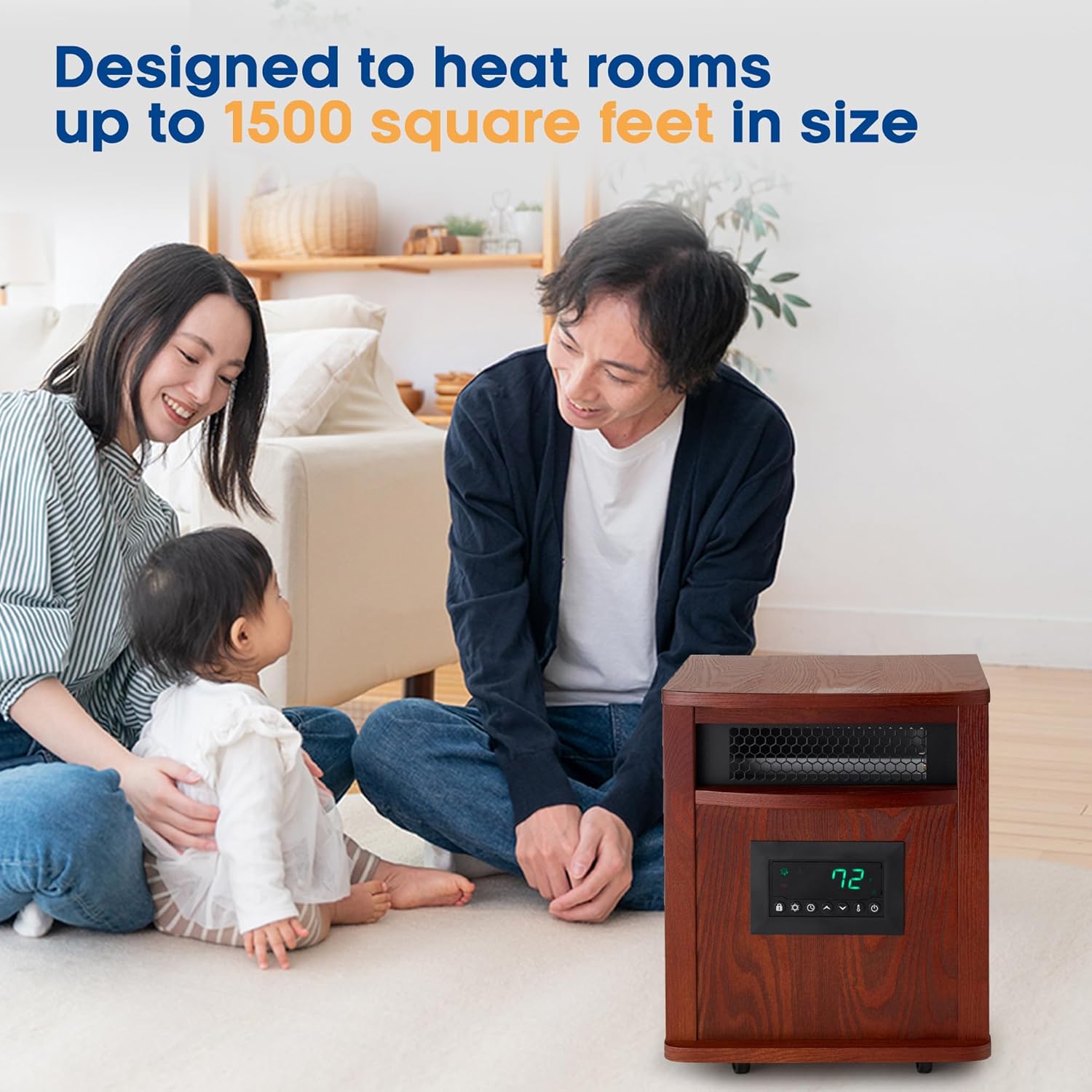
Details: LifeSmart Electric Space Heater, Indoor Quartz Heater w/Remote, LifePro 6 Element, Brown
Brand: LIFESMART GLOBAL

Previous page LifeSmart Store Next page

Advantages
- Products can be returned
- Heater for Indoor Spaces: Indoor space heater is crafted for heating a 1500-square-foot space, making it well-suited for bedrooms, living rooms, and basements
- Easily Handleable: Designed with 6 regular infrared tube elements and metal casters, allowing you to effortlessly move this electric indoor heater to any location
- Variable Heat Options: Incorporates 3 adjustable heat power settings—high, low, and eco—allowing you to customize the warmth to your preference; Use the remote control to adjust temperatures and timers remotely
- Tailorable Features: programmable feature enables you to schedule a personalized start time and incorporates a tip-over safety function, ensuring a warm wake-up experience in the morning
- Product Details: Built with a digital LED display with an adjustable thermostat between 50 to 90 degrees Fahrenheit; Dimensions long 16 by wide 13.125 by tall 16.5 inches, and the color is brown
Notice
- Is an online purchase
- Delivery may be delayed in some areas.

Buyer Guide For Patio Heaters
When shopping for a patio heater, consider factors such as heating capacity, fuel type, design, and safety features. Patio heaters typically come in three fuel types: propane, natural gas, and electric. Propane heaters are portable and easy to use, while natural gas heaters require a fixed gas line but offer continuous heating. Electric heaters are eco-friendly and ideal for smaller spaces.Look for a heater with sufficient BTU output to warm your desired area, and ensure it has safety features like tip-over protection and automatic shut-off. Additionally, choose a design that complements your outdoor decor, whether its a freestanding, tabletop, or wall-mounted model. Finally, check for weather resistance and durability to ensure it withstands outdoor conditions.
How to use Patio Heaters
Patio heaters are excellent devices for extending your outdoor entertainment season by providing warmth during cooler weather. Here’s a comprehensive guide on how to use them safely and effectively.Choosing the Right Location
- Place the heater on a flat, stable surface
- Keep at least 3 feet clearance from walls and flammable objects
- Avoid placing under low-hanging trees or covered areas
- Ensure proper ventilation in partially enclosed spaces
Starting and Operating
1. Check fuel levels (propane tank or electrical connection)
2. Follow manufacturer’s lighting instructions
3. Allow 5-10 minutes for the heater to reach full temperature
4. Adjust heat settings as needed
5. Position seating within the heater’s effective radius (typically 6-10 feet)
Safety Tips
- Never leave the heater unattended while in use
- Turn off and disconnect when not in use
- Keep children and pets away from the unit
- Store properly during adverse weather conditions
- Regularly check for damage or wear
How to Maintain Patio Heaters
To keep your patio heaters in top shape, start with regular cleaning. Wipe down the heating element and reflectors with a damp cloth to remove dust and debris. Inspect the fuel source; for propane heaters, check the tank for leaks and ensure connections are secure. Perform seasonal checks on ignition systems and replace batteries if necessary. Store heaters indoors during the off-season to protect them from the elements. Always follow manufacturer guidelines for maintenance and safety, ensuring a warm outdoor space for years to come.
Related posts:
Review Westinghouse Electric Blanket Heated Blanket, Plaid Sherpa Heating Blanket, 10 Heating Levels...
Review ProCom ML3PHG Heating Propane Gas Ventless Infrared Plaque Heater, 28,000 BTU, 30,000, Black
Review Hiland HLDS01-WCBT 48,000 BTU Propane Patio Heater w/Wheels and Table, Large, Hammered Silver
Review 1500W Space Heater,Electric Fireplace Heaters Indoor Portable with ECO Mode, PTC Ceramic, 3D ...
