
Page Contents
Details: Classic Accessories Veranda Water-Resistant 21 Inch Pyramid Torch Patio Heater Cover
Brand: Classic Accessories
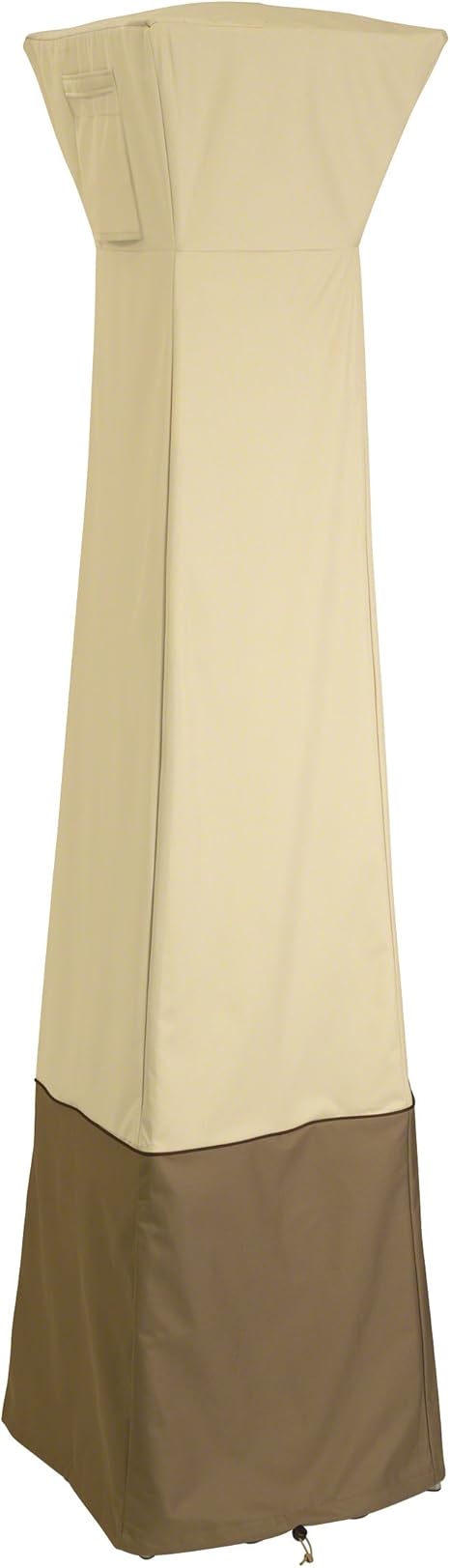
A customer favorite for its fashionable design, durability and extensive collection of matching products, the Veranda line features our heavyweight Gardelle™ woven polyester fabric and special water-repellent and resistant undercoating. When you buy a Classic Accessories grill or patio furniture cover you are not just getting a cover; you’re also purchasing peace of mind. Not only will your grill and patio furniture be protected from the elements, but you’ll be protected with the easiest warranty in the industry. If your product fails within the warranty period, look for us online and take advantage of our warranty program supported by our US-based customer service team.

Advantages
- Products can be returned
- Fits pyramid torch patio heaters 21″L x 21″W x 90″H
- Two-year limited warranty
- Gardelle Fabric System features an elegant fabric top with a water-resistant laminated backing and a protective dark splash guard skirt
- Padded handles for easy fitting and removal
- Air vents help to reduce inside condensation and wind lofting
Notice
- Is an online purchase
- Delivery may be delayed in some areas.


Buyer Guide For Patio Heaters
Looking to extend your outdoor living space into the cooler months? A patio heater can be the perfect solution. This guide will help you make an informed decision when purchasing one.Types of Patio Heaters:
1. Propane: Portable and powerful, ideal for larger spaces
2. Electric: Easy to use, no fuel needed, perfect for covered areas
3. Natural Gas: Permanent installation, cost-effective long-term
4. Infrared: Energy-efficient, provides instant heat
Key Factors to Consider:
Heating Area
Calculate your space requirements
Consider the heater’s BTU rating or heating radius
Account for wind exposure
Safety Features
Tip-over protection
Automatic shut-off
Heat-resistant guards
CSA or UL safety certification
Mobility and Storage
Weight and portability
Weather resistance
Storage requirements during off-season
Budget Considerations
Initial purchase cost
Fuel/operating costs
Installation expenses (if required)
Additional Features
Adjustable temperature controls
Weather-resistant finish
Decorative elements
Built-in lighting
Maintenance Tips:
Regular cleaning
Proper fuel storage
Weather protection
Annual safety checks
How to use Patio Heaters
Patio heaters are a fantastic way to extend the usability of your outdoor space, allowing you to enjoy your patio or deck even on cooler evenings. Whether youre hosting a gathering or simply relaxing outside, a patio heater can keep you warm and comfortable. Heres a quick guide on how to use them effectively and safely.1. Choose the Right Type of Patio Heater
- Propane Heaters: These are portable and easy to use. They require a propane tank, which youll need to connect securely.
- Electric Heaters: These are ideal for smaller spaces and require an electrical outlet. Theyre often more energy-efficient and emit no fumes.
- Natural Gas Heaters: These are permanently installed and connected to your homes gas line. Theyre great for long-term use but require professional installation.
2. Set Up in a Safe Location
- Place the heater on a flat, stable surface to prevent tipping.
- Ensure the heater is at least 3-5 feet away from any flammable materials, such as furniture, curtains, or plants.
- If using a propane heater, make sure the propane tank is securely connected and stored upright.
3. Follow the Manufacturers Instructions
- Always read the user manual before operating your patio heater. Each model may have specific instructions for setup, ignition, and operation.
- For propane heaters, check for gas leaks by applying a soapy water solution to the connections. If bubbles form, theres a leak, and you should tighten the connection or replace the part.
4. Light the Heater Safely
- For propane heaters, open the gas valve slowly and use the ignition button or a long lighter to light the burner.
- Electric heaters simply need to be plugged in and turned on, while natural gas heaters may have a pilot light or electronic ignition.
5. Adjust the Heat
- Most patio heaters come with adjustable settings to control the heat output. Start on a lower setting and increase as needed to maintain a comfortable temperature.
- Position the heater so that the heat is directed toward the area where people are seated.
6. Monitor the Heater
- Never leave a patio heater unattended while its in use.
- Keep children and pets away from the heater to avoid burns or accidents.
- If you notice any unusual smells, sounds, or performance issues, turn off the heater immediately and inspect it.
7. Turn Off and Store Properly
- When youre done using the heater, turn it off and allow it to cool completely before moving or storing it.
- For propane heaters, disconnect the tank and store it in a cool, dry place away from direct sunlight.
8. Maintain Your Heater
- Regularly clean the heaters exterior and check for any signs of wear or damage.
- Replace any worn-out parts, such as hoses or igniters, to ensure safe operation.
How to Maintain Patio Heaters
To keep your patio heaters in top shape, start with regular cleaning. Wipe down the heating element and reflectors with a damp cloth to remove dust and debris. Inspect the fuel source; for propane heaters, check the tank for leaks and ensure connections are secure. Perform seasonal checks on ignition systems and replace batteries if necessary. Store heaters indoors during the off-season to protect them from the elements. Always follow manufacturer guidelines for maintenance and safety, ensuring a warm outdoor space for years to come.
Related posts:
Review Electric Heated Blanket Throw with 3 Heating Levels & Overheating Auto Off,Super Cozy Soft He...
Review Sengoku Desk Mini Panel Electric Space Heater, Small, Blue Grey
Review Heated Throw - Electric Blanket electric heating blanket,Electric Heated and Throws Cordless ...
Review Electric Heated Blanket Twin 62" x 84" Large Heating Throw Blanket with 4 Heating Levels & Ti...
