
Details: Heat Storm Phoenix Infrared Space Heater with Attachable Feet, Remote Control, Energy Efficient-750-1500 Watts, White Floor or Wall – HS-1500-PHX
Brand: Heat Storm

The Heat Storm Phoenix Floor to Wall Unit is a great solution for any bedroom or small room where there is not much floor space. At 1500-Watt this heater will easily heat up your room. This heater is safe to touch, even on the grill, making a great choice for anyone. This unit has two power modes, one uses the full 1,500-Watt (red leaf), while the second mode (green Leaf) uses only 750-Watt. Each unit contains our Patented Heat Exchanger with HMS Technology that allows maximum heat from the infrared quartz bulbs without any heat loss from the unit. NOTE:-The unit needs to be plugged in to a dedicated circuit. If other high-power devices are on the same circuit, it will course a breaker to pop. Anti-trip technology

Advantages
- Products can be returned
- This portable 1500 watt infrared heater has the power to heat up a small room or office with its 5200 BTU heat output. Two power modes, one uses the full 1,500 watt power while the other only uses 750 watts.
- Our patented heat exchanger with HMS Technology combines with humidity in the room to provide soft, safe heat without reducing oxygen or humidity. Safe to touch, even the grill.
- Small convenient size makes this perfect for any room in the house. Hang it on the wall or set it on the ground thanks to removable feet and wall mounting points on the back of the heater.
- Built in thermostat with LED display shows you what the ambient temperature is and helps regulate the temperature efficiently. Included remote control allows you to control the temperature with ease.
- This heater comes with a 1 year manufacturer warranty
Notice
- Is an online purchase
- Delivery may be delayed in some areas.


Buyer Guide For Patio Heaters
Heat Output. Consider BTU (British Thermal Units) ratings – higher BTUs mean more heat coverage. Most residential patio heaters range from 40,000 to 50,000 BTUs.Fuel Type. Choose between propane, natural gas, or electric:
- Propane is portable but needs tank replacement
- Natural gas requires installation but offers continuous operation
- Electric models are easy to use but may have higher operating costs
Coverage Area. Determine the space you need to heat. Standard patio heaters typically warm 100-200 square feet of space.
Design Style. Select from:
– Standing/pole heaters
– Tabletop models
– Wall-mounted units
– Ceiling-mounted options
Safety Features. Look for:
– Auto shut-off if tipped
– Cool-touch exterior
– Weather resistance
– Safety certifications
Mobility. Consider if you need to move the heater around:
– Wheels for easy transport
– Weight and size
– Storage capabilities
Durability. Check for:
– Weather-resistant materials
– Warranty coverage
– Build quality
How to use Patio Heaters
Patio heaters are a great way to extend outdoor comfort during cooler months. Start by placing the heater on a flat, stable surface away from flammable materials. For gas heaters, ensure proper gas connection and ventilation. Electric heaters should be plugged into a grounded outlet.Turn on the heater following the manufacturers instructions, and adjust the heat settings as needed. Always supervise the heater while in use and turn it off when not needed. Regular maintenance, like cleaning and checking for damage, ensures safe and efficient operation. Enjoy cozy outdoor gatherings year-round!
How to Maintain Patio Heaters
Maintaining patio heaters ensures longevity and efficiency. Start by regularly cleaning the exterior with mild soap and water to remove dirt and debris. Inspect the propane tank or gas connections for leaks using soapy water; bubbles indicate a leak. Ensure the reflector, screen, and burner are free of dust and rust. Check for any blockages in the burner holes. For electric heaters, inspect the power cord for wear. Store heaters in a dry place during off-seasons, and cover them to protect against the elements. Regular maintenance boosts performance and safety!
Related posts:

Review BLACK+DECKER Portable Space Heater, 1500W Room Space Heater with Carry Handle for Easy Transp...

Review Space Heater, 1500W Fast Heating Portable Electric Heater with Remote, 3 Modes, Tip-Over & Ov...

Review Eddie Bauer - Throw Blanket, Soft & Plush Heated Blanket, Cozy Fleece Bedding with Sherpa Rev...
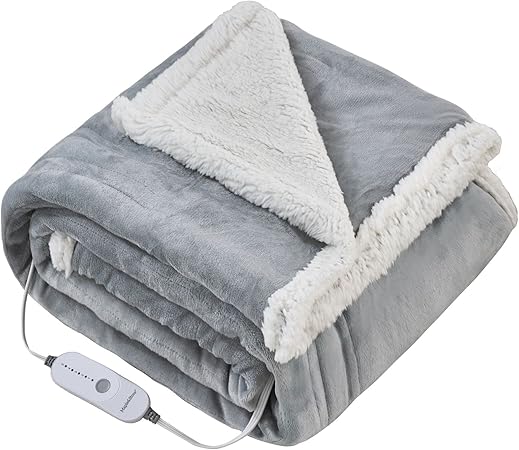
Review Maple&Stone Heated Blanket Electric Twin Soft Flannel Sherpa Fast Heating Electric Blanket,5 ...
